
How to Read the Sidewall of a Tire
Decode the Sidewall: A Guide to Understanding Tire Information
Reading the sidewall of a tire can seem like a daunting task, but it's actually quite simple once you know what you're looking for. The sidewall of a tire is where you'll find important information about the tire's size, load capacity, and speed rating. Understanding this information can help you make informed decisions when purchasing new tires, and ensure that your vehicle is safe and running at peak performance.
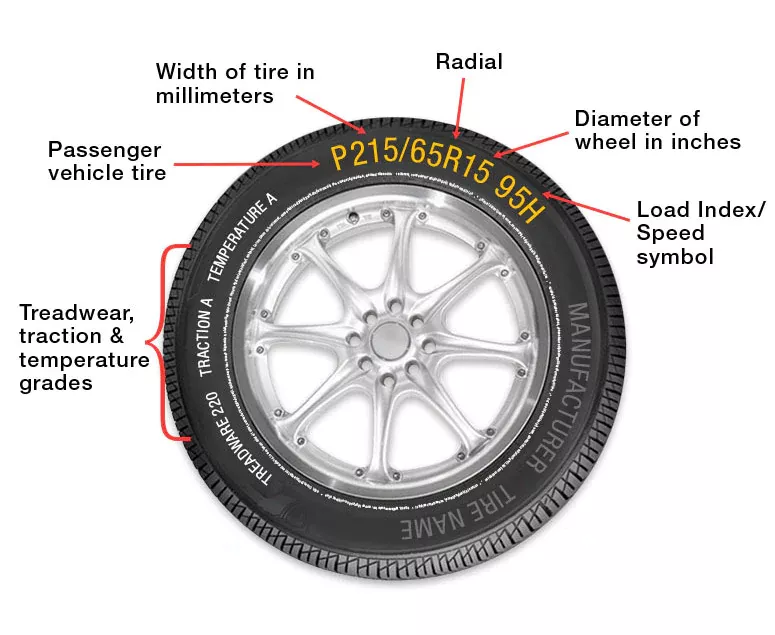
The first thing you'll notice on the sidewall of a tire is the tire size. The size is typically represented by a series of numbers and letters, such as P225/50R17. The "P" at the beginning of the size indicates that it is a passenger car tire, while "LT" would indicate a light truck tire. The number that follows, 225 in this example, represents the width of the tire in millimeters. The next number, 50, is the aspect ratio, which tells you the height of the sidewall as a percentage of the width. In this example, the sidewall is 50% as tall as the tire is wide. The final letter, R, indicates the construction of the tire, with R indicating a radial construction. The final number, 17, is the diameter of the wheel that the tire is meant to be mounted on, measured in inches.
The next important piece of information found on the sidewall of a tire is the load capacity and speed rating. This information is represented by a series of letters and numbers, such as 97H. The first number, 97 in this example, represents the load capacity of the tire, or the maximum weight that the tire can safely carry. The letter following the load capacity, H in this example, represents the speed rating, or the maximum speed that the tire can safely be driven at. In this example, H represents a maximum speed of 130 mph.
Another information found on the sidewall of a tire is the Tire Identification Number (TIN) which is a combination of letters and numbers that is used to identify the tire and its manufacturer. This information can be useful in the event of a recall or if you need to contact the manufacturer for any reason.
Lastly, you may also find other information on the sidewall of a tire, such as the maximum inflation pressure or the manufacturer's name and logo. This information can be helpful if you ever need to contact the manufacturer or if you need to inflate your tires to the proper pressure.
In conclusion, reading the sidewall of a tire may seem overwhelming, but it's actually quite simple once you know what you're looking for. By understanding the tire size, load capacity, and speed rating, you can make informed decisions when purchasing new tires and ensure that your vehicle is running at peak performance. Additionally, by understanding the TIN, you can also ensure that your tires are safe and not subject to any recall. Next time you're in the market for new tires, be sure to take a good look at the sidewall and don't hesitate to ask the retailer any questions you may have.